How to Set Up a Posture-Friendly Workstation (and Actually Sit Better)
No amount of posture exercises can fully undo a workstation that forces you to hunch all day. Getting your screen, chair and desk right removes the strain at its source — and pairing that with regular movement does more than any single fix. Here is why your setup shapes your posture, the adjustments that help, and the movement habits that matter most.

Why Your Desk Setup Shapes Your Posture
The all-day input: the the-hours-add-up (the many hours in one position making the setup a bigger factor than a few exercises from the desk-posture logic — the the-dominant-influence), the the-screen-drives-the-neck (the a low screen pulling the head forward into tech neck from the tech-neck logic — the screen-height-matters), the the-chair-and-the-spine (the a poor chair rounding the back — the support-the-spine), the the-reaching-and-rounding (the a badly placed keyboard and mouse rounding the shoulders — the bring-it-close), the the-strain-at-the-source (the fixing the setup removing the cause, not just treating the symptom — the source-not-symptom), and the reframe (the workstation as the all-day input that shapes your posture — fix the setup and the strain eases at its source).
The Ergonomic Adjustments That Help
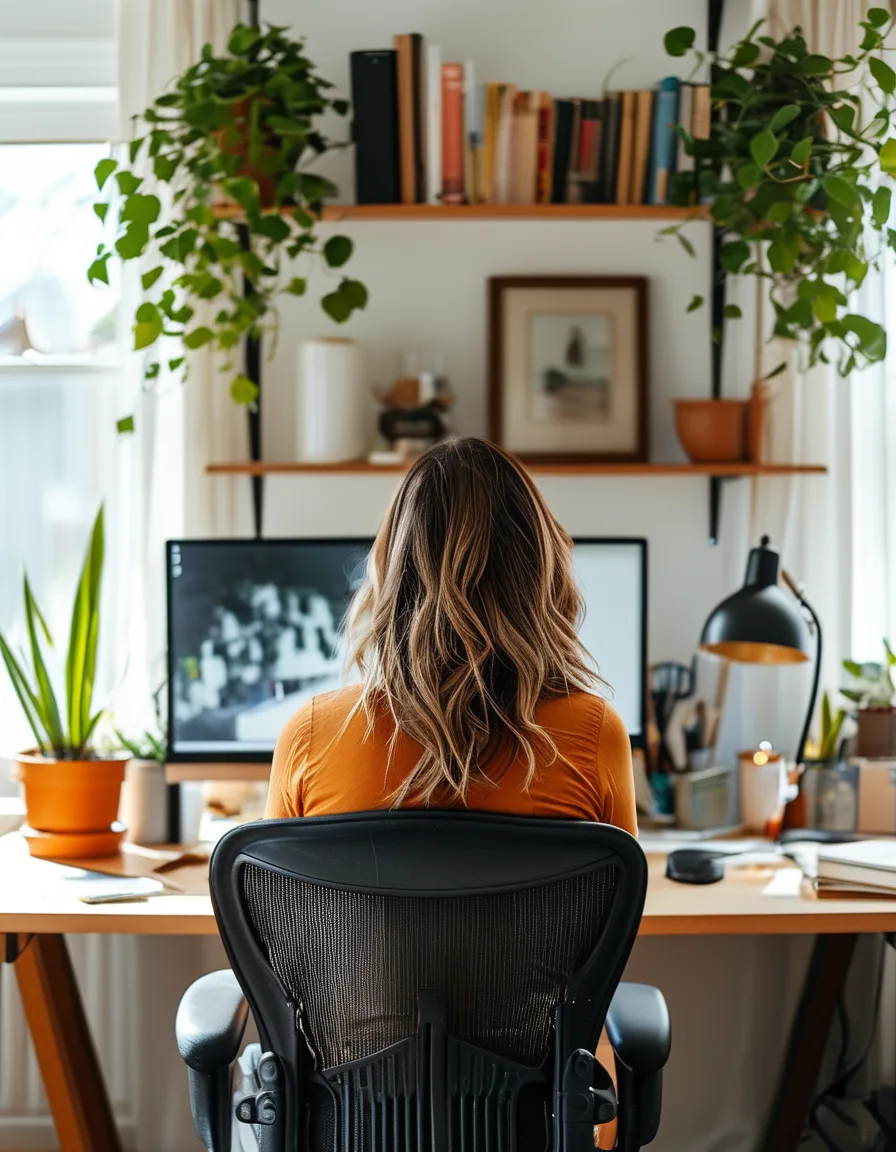
Setting it up right: the the-screen-at-eye-level (the the top of the screen at about eye level so the head stays neutral from the tech-neck logic — the lift-the-screen), the the-monitor-distance (the the screen about an arm’s length away — the the-right-distance), the the-chair-support (the a chair supporting the low back’s natural curve — the support-the-lumbar), the the-feet-flat-hips-level (the feet flat and hips at or slightly above knees — the ground-the-feet), the the-keyboard-and-mouse-close (the elbows at about ninety degrees, wrists neutral, mouse close from the driving logic — the relax-the-shoulders), the the-arms-supported (the forearms supported to unload the shoulders — the ease-the-shoulders), the the-laptop-riser-and-external (the a laptop riser plus external keyboard to fix laptop-hunch — the the-laptop-fix), and the the-light-and-document-placement (the reducing leaning to see — the bring-it-into-view).
The Movement Notes That Matter Most
Beyond the setup: the the-movement-beats-any-chair (the regular movement mattering more than the perfect static setup from the desk-posture logic — the the-best-posture-is-the-next-one), the the-micro-breaks (the standing and moving every half hour or so — the break-the-stillness), the the-posture-resets (the quick posture resets through the day from the morning-reset logic — the reset-often), the the-stretch-the-tight-spots (the opening the chest and neck that desk work tightens from the rounded-shoulders logic — the counter-the-hunch), the the-strengthen-the-back (the upper-back strength to hold posture from the posture-strength logic — the build-the-support), the the-alternate-positions (the sit-stand alternation if possible — the vary-the-position), and the frame (the posture-friendly workstation as a screen-at-eye-level, supportive-chair, close-keyboard setup paired with regular movement — sitting better all day. Raise your screen, support your back, bring the keyboard close, and above all move regularly — the setup removes the strain, movement keeps it away).
No amount of posture exercises can undo a workstation that forces you to hunch all day — getting your screen, chair and desk right removes the strain at its source. Your setup shapes your posture because you spend hours in one position: a low screen pulls the head forward, a poor chair rounds the back, and reaching for the keyboard rounds the shoulders. The adjustments that help: screen top at eye level and about an arm’s length away, a chair supporting the low-back curve, feet flat with hips level, keyboard and mouse close with neutral wrists, supported forearms, and a laptop riser with an external keyboard. But movement matters most — take micro-breaks every half hour, reset your posture often, stretch the chest and neck, strengthen the upper back, and alternate sitting and standing. The setup removes the strain; movement keeps it away.
Keep Reading
This article is for general informational and styling purposes only. Fit, sizing, and product availability may vary.