Rounded Shoulders Aren't Just From Sitting — The Actual Muscular Imbalance Behind Them
‘Sitting too much’ gets blamed broadly for rounded shoulder posture, but the actual underlying mechanism is a considerably more specific and genuinely correctable muscular imbalance between two particular muscle groups, one that’s become chronically tight and one that’s become chronically weak, and sitting itself is really just one common way that specific imbalance tends to develop rather than the fundamental cause in itself.

Why the Rounded-Shoulder Posture Pattern Involves a Specific and Genuinely Correctable Muscular Imbalance Rather Than Being Simply Caused by Sitting Itself
The actual underlying mechanism: rounded-shoulder-posture-genuinely-reflects-a-real-and-specific-imbalance-between-chronically-tight-and-overactive-chest-muscles-pulling-the-shoulders-forward-and-chronically-weak-and-underactive-upper-back-muscles-that-would-otherwise-pull-them-back-into-proper-alignment-from-the-fix-rounded-shoulders-guide-logic (the establishing the actual specific and correct underlying mechanism directly, naming the two genuinely opposing muscle groups involved rather than leaving the cause vaguely attributed to sitting posture in general — the genuine-and-real-rounded-shoulder-posture-specifically-and-genuinely-reflects-a-real-and-quite-specific-underlying-muscular-imbalance-between-chronically-tight-and-genuinely-overactive-chest-muscles-that-are-actively-pulling-the-shoulders-forward-and-chronically-weak-and-genuinely-underactive-upper-back-muscles-that-would-otherwise-genuinely-pull-them-back-into-proper-and-correct-alignment-if-they-were-actually-strong-enough-to-do-so), sitting-and-a-generally-forward-leaning-posture-genuinely-contributes-to-this-specific-imbalance-by-repeatedly-and-consistently-placing-the-body-in-a-position-that-genuinely-shortens-and-strengthens-the-chest-muscles-through-repeated-use-while-simultaneously-lengthening-and-genuinely-weakening-the-upper-back-muscles-through-corresponding-underuse-over-time (the establishing the actual and genuine role sitting genuinely plays, correctly positioning it as one specific contributing behavior toward the real muscular imbalance rather than the fundamental cause in itself, from the tech-neck-fix-guide logic — the sitting-and-a-generally-forward-leaning-posture-genuinely-and-actually-contributes-to-this-specific-already-established-muscular-imbalance-by-repeatedly-and-consistently-placing-the-body-in-a-position-that-genuinely-shortens-and-somewhat-strengthens-the-chest-muscles-through-repeated-regular-use-while-simultaneously-lengthening-and-genuinely-weakening-the-upper-back-muscles-through-corresponding-regular-underuse-over-an-extended-period-of-time), and the reframe (the actual cause as a specific and correctable muscular imbalance between overactive tight chest muscles and underactive weak upper back muscles, with sitting functioning as one common contributing behavior that produces that specific imbalance over time rather than being the fundamental root cause in itself — meaning the actual fix genuinely needs to address the muscular imbalance directly, not simply reduce sitting time alone)).

The Specific Muscle Groups Genuinely Involved on Both Sides of That Imbalance
Naming the two specific sides directly: the pectoralis-muscles-across-the-chest-are-the-primary-specific-muscle-group-that-genuinely-becomes-chronically-tight-and-shortened-actively-pulling-the-shoulders-forward-and-into-genuine-internal-rotation-in-the-rounded-shoulder-pattern-from-the-fix-rounded-shoulders-guide-logic (the establishing the actual specific muscle group on the tight side of the imbalance directly, naming the exact muscle rather than a vague general reference to chest tightness — the the-specific-pectoralis-major-and-minor-muscles-genuinely-located-across-the-chest-are-genuinely-the-primary-specific-muscle-group-that-actually-becomes-chronically-tight-and-genuinely-shortened-over-time-actively-and-continuously-pulling-the-shoulders-forward-and-into-genuine-internal-rotation-specifically-in-the-established-rounded-shoulder-posture-pattern), the rhomboids-and-middle-trapezius-muscles-across-the-upper-back-are-the-primary-specific-muscle-group-that-genuinely-becomes-chronically-weak-and-underactive-failing-to-adequately-pull-the-shoulder-blades-back-and-into-genuine-proper-retracted-alignment-in-the-rounded-shoulder-pattern (the establishing the actual specific muscle group on the weak side of the imbalance directly, completing the specific two-sided muscular picture with the exact muscle names for the underactive counterpart — the the-specific-rhomboid-and-middle-trapezius-muscles-genuinely-located-across-the-upper-back-are-genuinely-and-specifically-the-primary-muscle-group-that-actually-becomes-chronically-weak-and-genuinely-underactive-over-time-genuinely-failing-to-adequately-pull-the-shoulder-blades-back-and-into-genuine-proper-and-correct-retracted-alignment-specifically-in-the-established-rounded-shoulder-posture-pattern), and the frame (the two specific muscle groups genuinely involved as the pectoralis muscles across the chest on the tight, overactive side, and the rhomboids and middle trapezius across the upper back on the weak, underactive side — the two genuinely specific and named muscle groups whose imbalance actually produces the rounded shoulder posture pattern, rather than an abstract or unnamed general postural tendency).
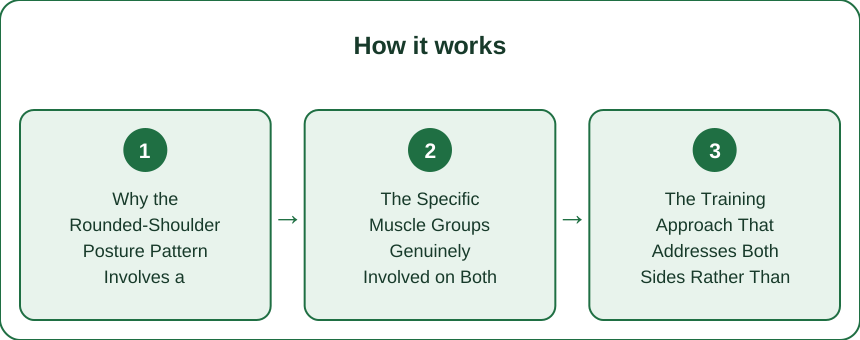
The Training Approach That Addresses Both Sides Rather Than Only Stretching the Tight Side
The complete corrective approach: stretch-and-actively-release-the-genuinely-tight-pectoralis-muscles-through-targeted-chest-stretching-and-myofascial-release-work-specifically-since-that-directly-addresses-the-overactive-and-shortened-side-of-the-established-muscular-imbalance-from-the-desk-posture-exercises-guide-logic (the establishing the actual and correct first component of the complete fix directly, addressing the tight side specifically with a targeted intervention rather than a vague general stretching suggestion — the deliberately-stretching-and-actively-releasing-the-genuinely-tight-and-shortened-pectoralis-muscles-through-targeted-and-specific-chest-stretching-and-real-myofascial-release-work-specifically-since-that-directly-and-genuinely-addresses-the-overactive-and-shortened-side-of-the-already-established-real-muscular-imbalance), simultaneously-and-deliberately-strengthen-the-genuinely-weak-rhomboid-and-middle-trapezius-muscles-through-targeted-rowing-and-scapular-retraction-exercises-specifically-since-stretching-the-tight-chest-side-alone-without-also-strengthening-the-genuinely-weak-upper-back-side-genuinely-fails-to-address-half-of-the-established-actual-muscular-imbalance-from-the-posture-strength-program-guide-logic (the establishing the actual and equally important second component of the complete fix directly, addressing the weak side specifically and explicitly explaining why stretching alone genuinely leaves the correction incomplete — the simultaneously-and-quite-deliberately-strengthening-the-genuinely-weak-and-underactive-rhomboid-and-middle-trapezius-muscles-through-targeted-rowing-and-real-scapular-retraction-exercises-specifically-since-stretching-the-tight-chest-side-alone-without-also-genuinely-strengthening-the-genuinely-weak-upper-back-side-genuinely-and-actually-fails-to-address-fully-half-of-the-already-established-real-underlying-muscular-imbalance), and the frame (the genuinely complete corrective training approach as stretching and releasing the tight pectoralis muscles on one side of the imbalance while simultaneously strengthening the weak rhomboid and middle trapezius muscles on the other side through targeted rowing and scapular retraction work — a complete two-sided correction addressing the actual specific and named muscular imbalance directly, rather than the common but genuinely incomplete approach of only stretching the tight chest side and expecting that alone to correct posture).
Rounded shoulder posture genuinely reflects a specific muscular imbalance between chronically tight, overactive chest muscles — specifically the pectoralis major and minor — pulling the shoulders forward, and chronically weak, underactive upper back muscles — specifically the rhomboids and middle trapezius — that would otherwise pull the shoulder blades back into proper alignment if they were strong enough. Sitting and a generally forward-leaning posture genuinely contribute to this imbalance by repeatedly shortening and somewhat strengthening the chest muscles through regular use while simultaneously lengthening and weakening the upper back muscles through corresponding underuse, but sitting itself is really just one common way this specific imbalance develops rather than the fundamental root cause. Correct it fully by stretching and actively releasing the tight pectoralis muscles through targeted chest stretching and myofascial release work, while simultaneously strengthening the weak rhomboid and middle trapezius muscles through targeted rowing and scapular retraction exercises — since stretching the tight chest side alone, without also strengthening the weak upper back side, genuinely addresses only half of the real underlying imbalance.
Keep Reading
This article is for general informational and styling purposes only. Fit, sizing, and product availability may vary.